I’ve been on research leave since September, my first period of institutional leave since I started working as an academic in September 2013. I had to apply for it, providing a plan and a projected set of outputs, and I have largely achieved what I set out to do. I’ve submitted grant applications for future periods of research funding, submitted book proposals to publishers for consideration, submitted chapters to editors for their edited volumes, and, most gratifying of all, completed the first draft of my next popular history book A Thoroughly Rapacious Female: How Fulvia Played the Game, Broke All the Rules, Won and then Lost in Ancient Rome.
So I thought I’d write a post about what it is an academic – well, this academic, at least – does on research leave. I may not be teaching, or doing much administration, but I’m very definitely working.
I get into my office around 9:30 am, set down my second cup of coffee, light a scented candle (I’ve gone through four over the last three months), and put some music on (Taylor Swift has been a great writing soundtrack for A Thoroughly Rapacious Female, while Agnes Obel or Johnny Flynn are good for other, more sedate things). The first thing I do after turning on my PC is check my email and either reply to stuff that’s quick and easy to sort out, or flag the stuff that isn’t so I don’t forget about it. This normally takes between half an hour and an hour, depending on how many emails have darkened my inbox.
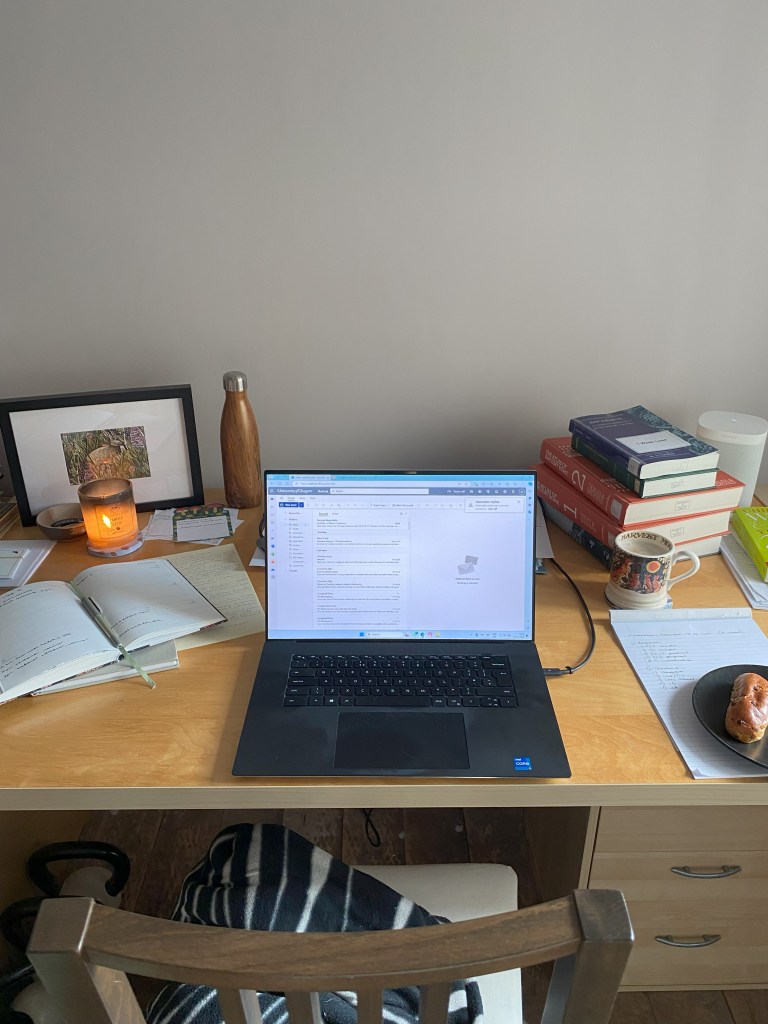
Then I get started writing. When it comes to books, they tend to take priority and the lion’s share of my attention and energy each day, so I start with them. I aim to write at least 500 words a day of whatever chapter I’m working on, although I will also jump around and add bits and pieces to other chapters if something has occurred to me because I can’t guarantee I’ll remember it! So I’ll keep writing until I run out of steam, although I’ll stop for elevenses (usually tea and chocolate) and lunch (usually scrambled or poached eggs and avocado).
Once I’ve finished writing, I’ll turn my attention to other things. I have a To Do list of all my research and writing commitments for 2023-24, and I’ve been slowly working my way down it. When it comes to chapters for other people’s edited volumes, I try and work on them one at a time, and I’m currently in the process of refining work that I wrote several months ago and received feedback on, so I’m addressing editors’ comments. It’s a slow process, involving looking up new scholarship to follow new lines of enquiry, and considering things that hadn’t occurred to me when I wrote the first pass.
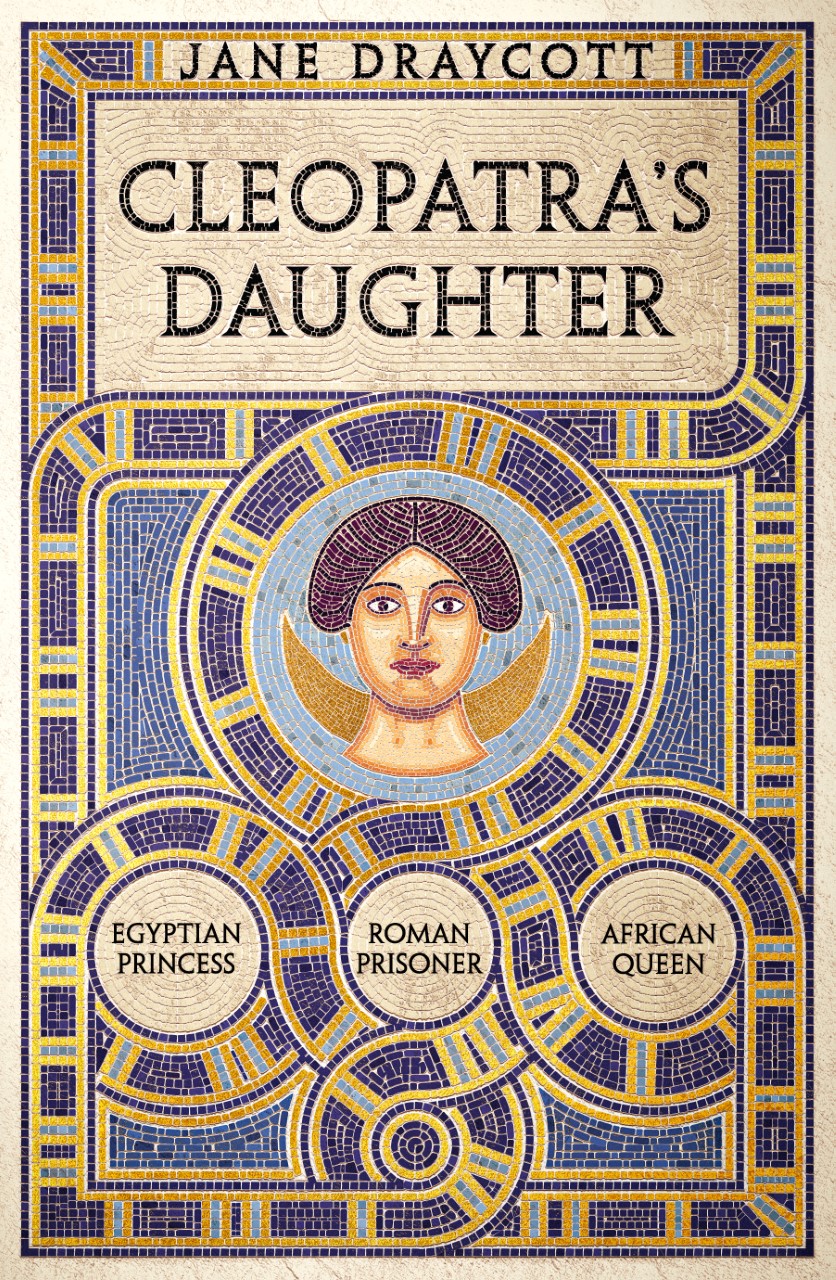
I tend to work on this sort of thing until about 4pm, and then spend the rest of the afternoon, until about 5:30, dealing with administrative things. I go back into my email and check all the flagged ones to see if there’s anything I can progress. Since it’s coming to the end of semester 1, I’m starting to get emails about semester 2. I have Moodle course pages that need to be updated in preparation for the start of teaching in January, so I’m checking all my course documentation, devising assessments, and thinking about any changes I need to make to my courses to update them. For example, in semester 2 I’ll be teaching my undergraduate and postgraduate course Cleopatra: Life and Legend for the fourth time. However, I’ll need to incorporate my new book, Cleopatra’s Daughter: Egyptian Princess, Roman Prisoner, African Queen, new research into perfumery in Ptolemaic Egypt that seems to be particularly relevant to Berenike IV and Cleopatra VII, and the Netflix documentary series African Queens. I’ll also need to update the course bibliography, as books are constantly being published about Cleopatra VII.
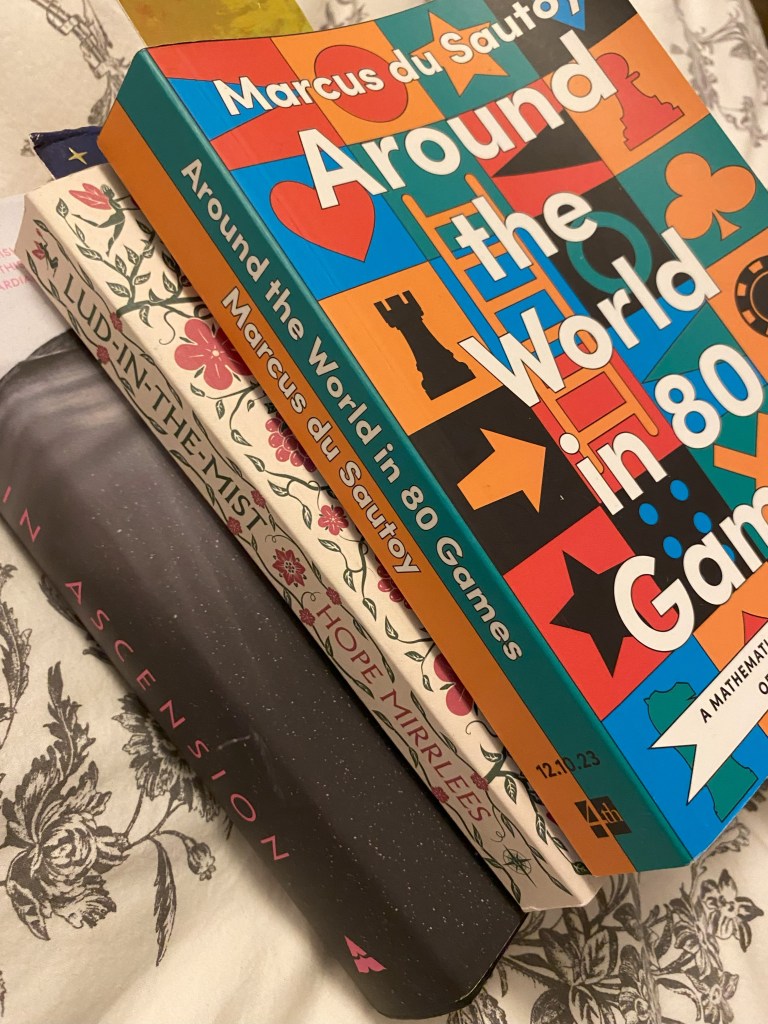
If I get time in the evening, I’ll read for a little while. I’m currently reading: Marcus du Sautoy’s Around the World in 80 Games: A Mathematician Unlocks the Secret of the Greatest Games as research for an event on historical games I’m doing in London in December; Hope Mirrlees’ Lud-In-The-Mist because I went to the British Library’s Fantasy exhibition and got very interested in older fantasy fiction, and the description reminded me of Christina Rossetti’s Goblin Market, which I read after I went to the Tate’s The Rossettis exhibition; and Martin MacInnes’ In Ascension because it was the Booker Prize nominee that most interested me.
 Dr Jane Draycott
Leave a comment